
Myofascial Release Thoracic Outlet Syndrome (TOS) in Pleasant Hill, CA
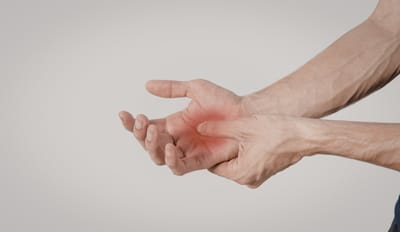
Thoracic Outlet Syndrome (TOS) is a condition caused by fascial restrictions that createimpingement of the radial, median, and ulnar nerves. These nerves innervate the shoulder,arms, and hands. When compressed, they can cause:
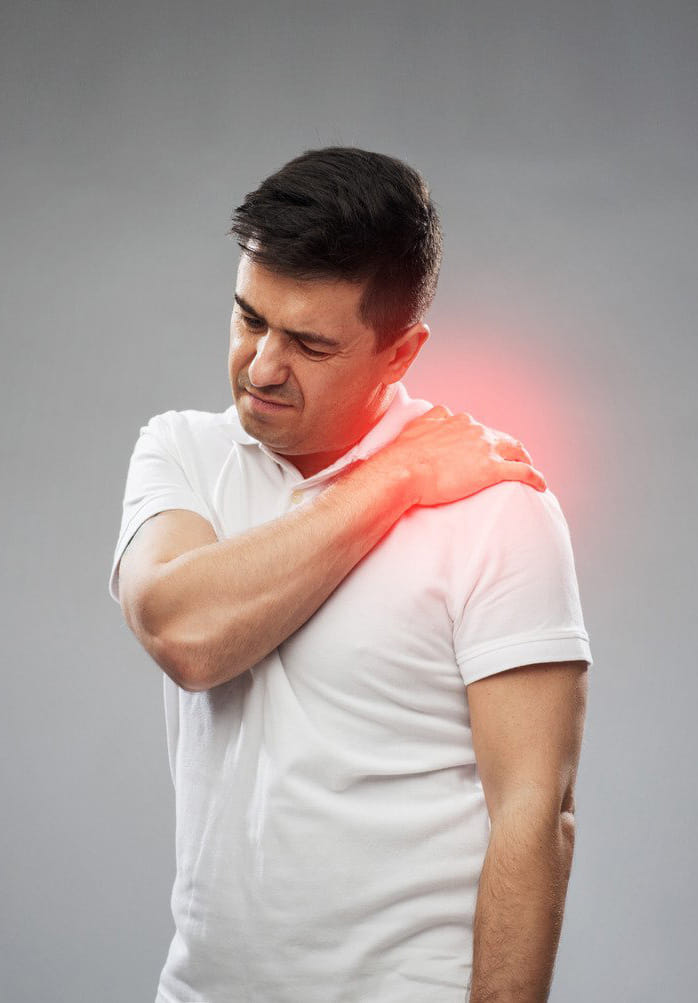
- Shoulder pain
- Shooting pain down the arm
- Tingling and numbness in the hands and fingers
- Weakness in the wrist and grip
- Increased pain at night, making sleep difficult
TOS symptoms often radiate from the shoulder into the arm and hand, interfering with everyday activities such as typing, computer work, and lifting objects.
Understanding TOS: Causes, Symptoms, and Relief
Common Causes of Thoracic Outlet Syndrome
Thoracic Outlet Syndrome is frequently associated with:
- Fascial restrictions
- Restricted range of motion
- Activated trigger points
- Postural misalignment
- Repetitive use injuries
- Falls, spills, and whiplash injuries
Muscles commonly involved include:
- The three scalene muscles
- Sternocleidomastoid (SCM) muscle
- Pectoralis major and minor muscles

Understanding Fascia and Its Role in TOS
Fascia is a connective tissue system that extends from the top of the head to the bottom of the feet. It envelopes:
- Bones
- Muscles
- Organs
- Nervers
There are two primary types of fibers in fascia:
- Elastin Fibers: These fibers stretch and return to their normal shape.
- Collagen Fibers: These structural fibers provide strength, with a tensile strength of approximately 1900 poundsper square inch.
When collagen fibers become restricted due to repetitive use injury and postural misalignments they create fascia restrictions that activate trigger points in the neck, shoulders and arm areas. This is usually referred to as Thoracic Outlet Syndrome.
Myofascial Release Pleasant Hill, CA
How Posture and Hip Alignment Contribute to TOS
Restricted fascia in the hips can lead to anterior hip rotation (forward tilting of the pelvis). This creates:
- Apparent leg length discrepancies
- Forward leaning posture
- Misalignment with gravity
The hips act as a foundation for the upper body. When they are level, the spine aligns vertically with gravity. When the hips rotate forward:
- The upper body leans forward
- The head’s apparent weight increases from 8–10 pounds to 10–12 pounds
- Neck and shoulder muscles become overworked
- Fascia in the neck, shoulders, and upper back becomes restricted
This chain reaction contributes to nerve impingement and the symptoms of Thoracic Outlet Syndrome.
Myofascial Release for Thoracic Outlet Syndrome Relief
Myofascial Release is a whole-body therapy approach that focuses on identifying and treating the cause of pain. This therapy works by:
-
Releasing restricted fascia
-
Restoring structural alignment
-
Deactivating trigger points
-
Improving range of motion
-
Reducing nerve impingement
By treating fascial restrictions in the hips, neck, shoulders, arms, and wrists, Myofascial Release and Trigger Point Therapy provides permanent pain relief and restore normal movement.
Benefits of Myofascial Release for TOS
The benefit is you will get rid of the pain, numbness and tingling that shoots down your arm into your wrists and your hands.
Schedule With Us – Start Your Journey to Lasting Relief
You don’t have to live with the shooting pain, numbness, or weakness of Thoracic Outlet Syndrome. At Myofascial Release 4 Chronic Pain, we look beyond the symptoms in your arms and hands to understand your unique pain pattern.
By targeting the true source—restricted fascia from your neck down to your hips—we provide gentle, effective care designed to decompress your nerves and restore your structural alignment.
Call us or book your appointment online today—and let us help you move, rest, and live pain-free.


You deserve to live
your life to the fullest.